

The French online casino ecosystem has experienced remarkable growth over the past decade, evolving into one of the most dynamic and regulated markets in Europe. This rise can be attributed to a combination of technological advancements, regulatory reforms, and changing consumer behaviors that have collectively transformed how gambling is perceived and conducted in France.
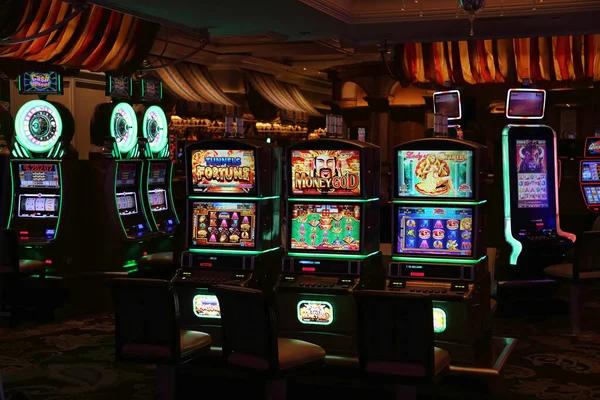
Historically, gambling in France was dominated by traditional brick-and-mortar establishments like casinos and betting shops. However, with the advent of the internet and mobile technology, there was a significant shift toward digital platforms. The convenience of playing from home or on-the-go attracted a broader demographic, including younger players who are more comfortable with digital interfaces. This change was further accelerated by improvements in software quality, offering immersive gaming experiences through live dealers and high-definition graphics.
A crucial factor behind this growth is the French government’s approach to regulation. In 2010, France introduced comprehensive legislation to regulate online gambling activities under the authority of ARJEL (Autorité Nationale des Jeux), now known as ANJ (Autorité Nationale des Jeux). This regulatory framework aimed to protect players by ensuring fair play, preventing fraud, combating problem gambling through responsible gaming measures, and maintaining tax revenues for public benefit. By licensing operators who met strict criteria for security and transparency, France created an environment where reputable companies could thrive while safeguarding consumer interests.
The rise of domestic operators has also played an essential role in shaping the ecosystem. Companies such as Winamax and Betclic have become household names within France due to their strong brand presence combined with localized marketing strategies tailored specifically for French audiences. These operators offer diverse product portfolios ranging from sports betting to poker tournaments alongside traditional casino en ligne argent réel games like roulette and blackjack-all accessible via user-friendly websites or mobile apps.
Moreover, partnerships between online casinos and popular sports leagues or media outlets have enhanced visibility across multiple channels including television broadcasts and social media platforms. Such collaborations help normalize online gambling as part of mainstream entertainment rather than a niche activity confined to physical venues.
Economic factors cannot be overlooked either; online casinos contribute significantly through taxation which supports public services while creating jobs within tech development firms specializing in gaming software solutions based out of Paris or other major cities.
Despite its success story so far however challenges remain ahead-such as addressing concerns related to addiction risks amplified by easy access at any time-and ongoing efforts focus on improving player education tools along with implementing stricter age verification systems using advanced technologies like AI-driven identity checks.
In conclusion, the rise of the French online casino ecosystem reflects a broader trend towards digitization combined with effective governance that balances innovation with responsibility. As technology continues evolving rapidly alongside shifting cultural attitudes toward gaming entertainment options expanding beyond borders-the future looks promising not only for industry stakeholders but also for consumers seeking safe yet engaging ways to enjoy their favorite games digitally within France’s well-regulated framework.