

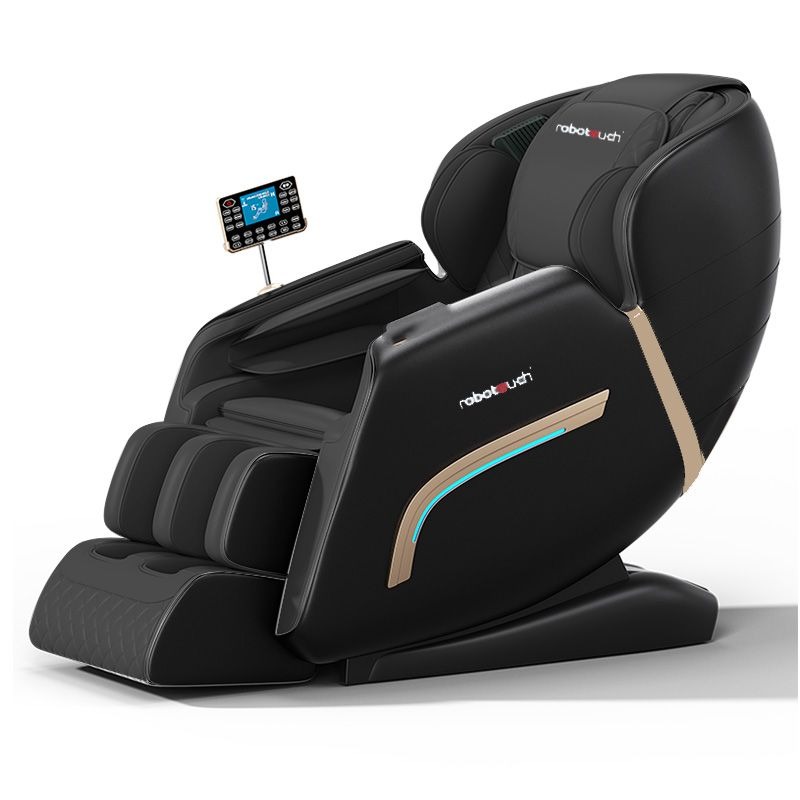
After an intense workout session, the body craves relaxation and recovery. Many individuals seek various methods to alleviate muscle soreness, reduce tension, and enhance overall well-being. One popular option gaining attention is the use of massage chairs. These devices promise to simulate professional massages and provide relief without leaving the comfort of home. But do massage chairs truly improve relaxation after exercise? The answer lies in understanding how these chairs work and their effects on the body.
Massage chairs are designed to target specific muscle groups using rollers, airbags, vibration, heat therapy, and kneading motions. After exercise, muscles often become tight or inflamed due to micro-tears caused by physical exertion. Massage can help increase blood flow to these areas which promotes faster healing by delivering oxygen and nutrients while removing metabolic waste products like lactic acid that contribute to soreness.
Scientific studies have shown that mechanical massage can reduce delayed onset muscle soreness (DOMS) following strenuous activity. By stimulating sensory receptors in the skin and muscles, massage activates parasympathetic nervous system responses-the branch responsible for rest and digestion-thereby lowering heart rate and cortisol levels associated with stress. This physiological shift encourages a state of deep relaxation which aids mental recovery as well.
Furthermore, many modern massage chairs incorporate heat functions that help relax stiff muscles by increasing tissue temperature. Warmth enhances elasticity making it easier for tight fibers to loosen up post-exercise. Additionally, vibration features may promote lymphatic drainage reducing swelling or inflammation around joints.
While traditional hands-on massages offer personalized pressure adjustments tailored by therapists’ expertise, advanced massage chairs come equipped with multiple settings allowing users some degree of customization based on individual preferences or problem areas like lower back pain or neck stiffness.
However, it is important to recognize limitations; massage chairs cannot fully replicate human touch nor address complex muscular issues requiring manual manipulation techniques such as trigger point therapy or myofascial release performed by skilled professionals.
In conclusion, incorporating a session in a quality massage chair reviews after exercising can significantly enhance relaxation through improved circulation, reduced muscle tension, decreased stress hormones levels and warmth application leading to quicker recovery times compared with passive rest alone. For those seeking convenient at-home solutions without regular visits to spas or clinics-a good massage chair serves as an effective adjunct tool promoting both physical comfort and psychological calmness after workouts. Nevertheless if persistent pain persists consulting healthcare providers remains essential for proper diagnosis and treatment strategies beyond what mechanized devices offer.